DoorsWindows
Burglar proof windows and doors: What actually works
Choosing the right windows and doors is a great way to keep your home and family secure. Strong locks, tough...
Read more




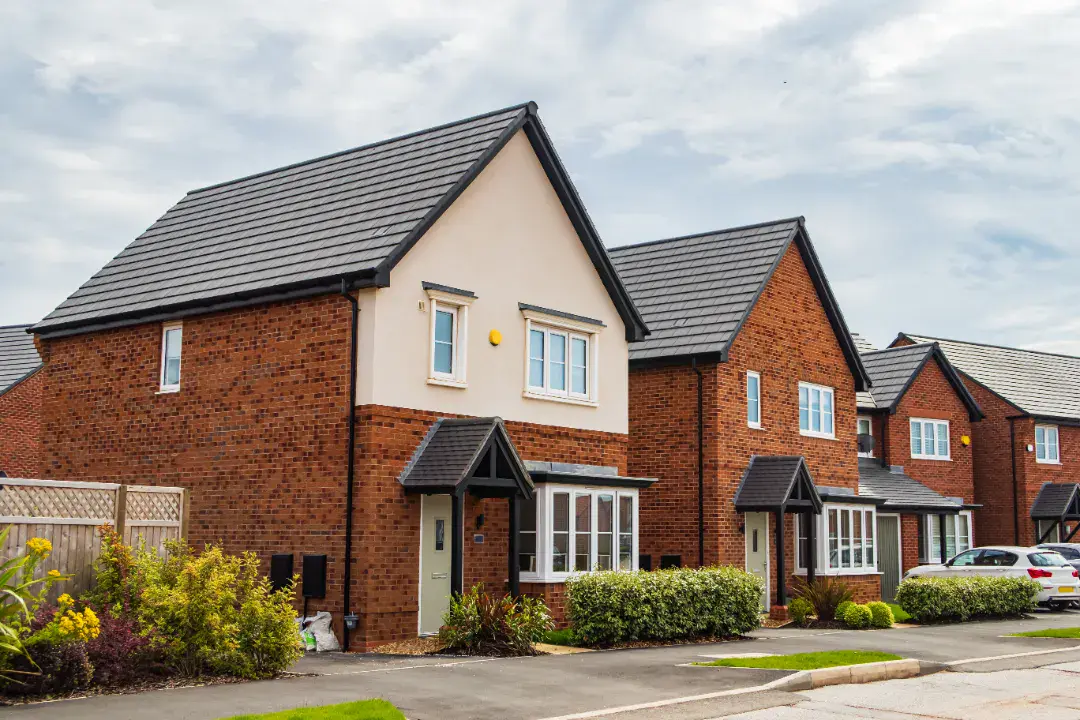
Choosing the right windows and doors is a great way to keep your home and family secure. Strong locks, tough...
Read more
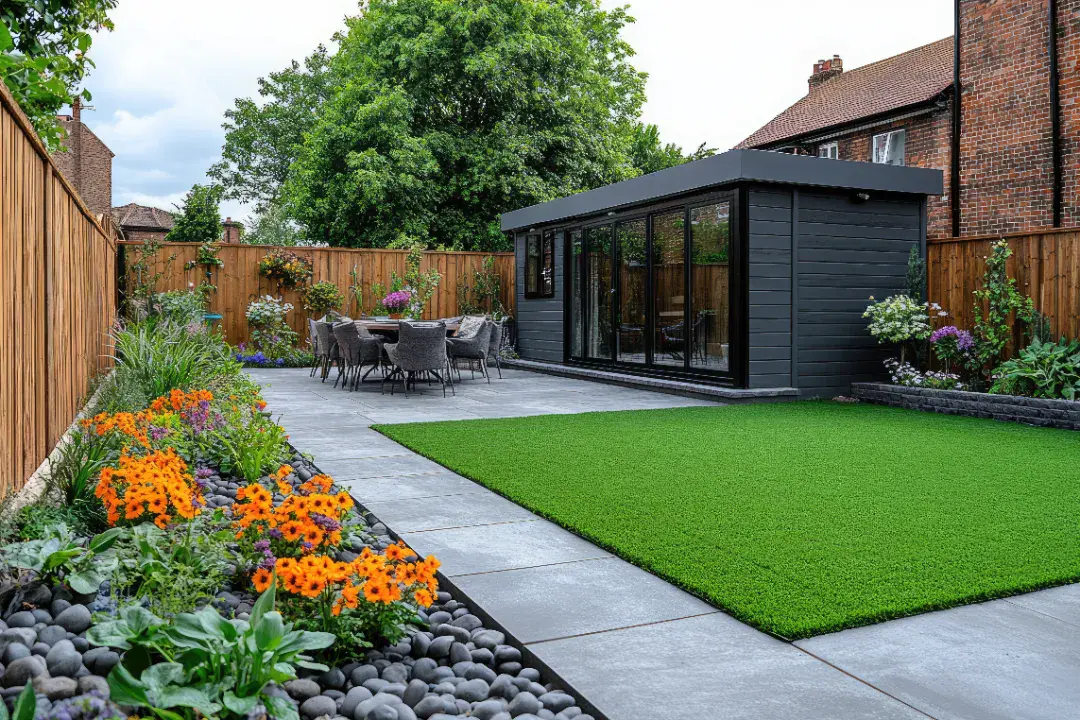
Spotted a drip or damp patch after heavy rain? A flat roof leaking into your home usually comes down to...
Read more

Cold rooms and rising energy bills are two of the most common reasons UK homeowners start looking at their windows....
Read more
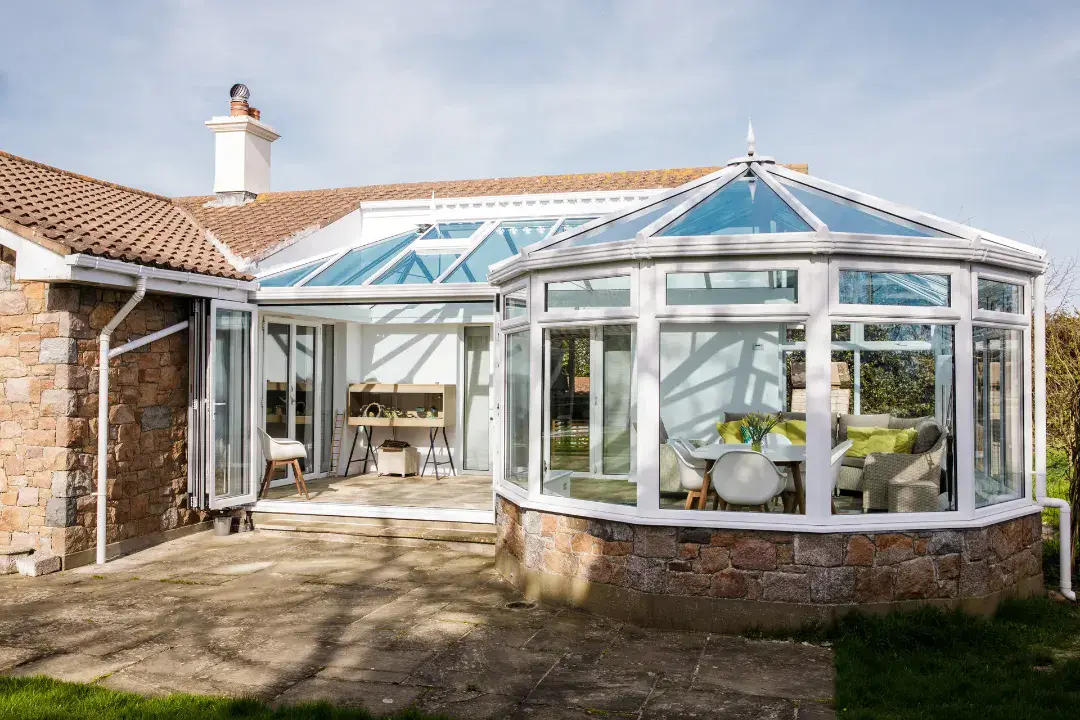
For most homeowners, a conservatory doesn't need planning permission since it falls under what's known as permitted development. It usually...
Read more
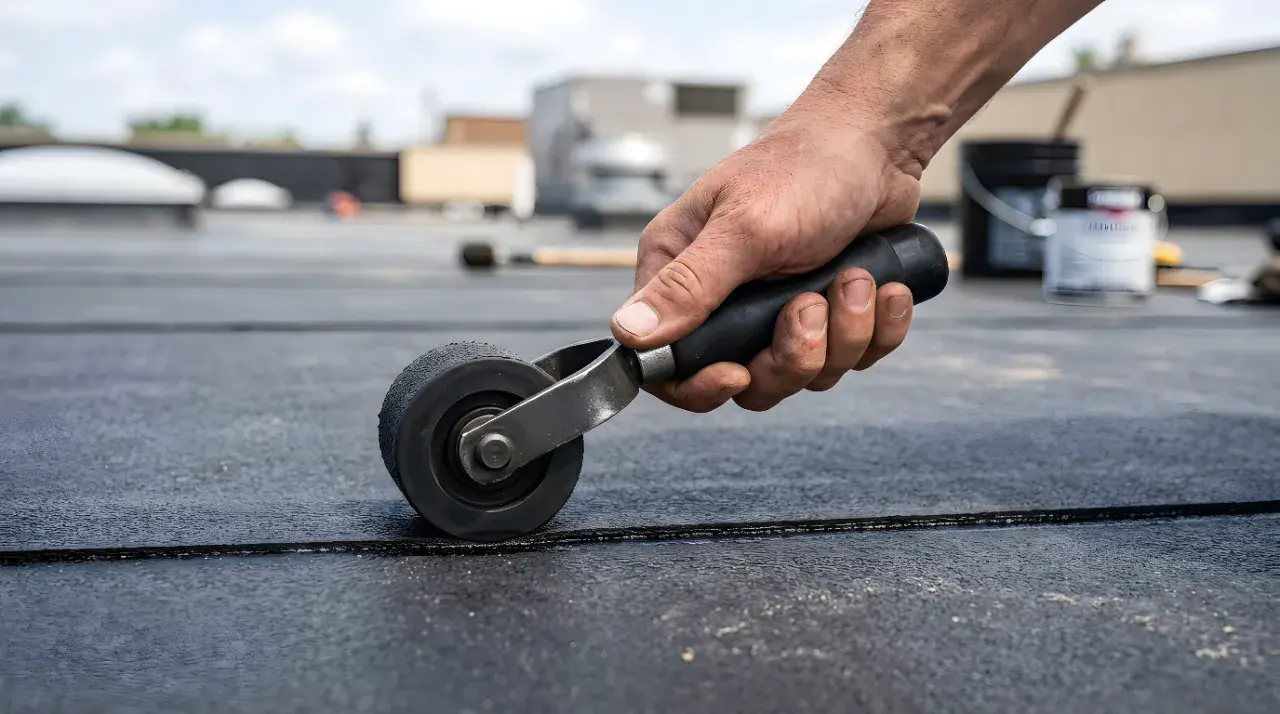
EPDM roofing is a single-ply rubber membrane used on flat roofs. It lasts 50 years or more, needs minimal upkeep,...
Read more
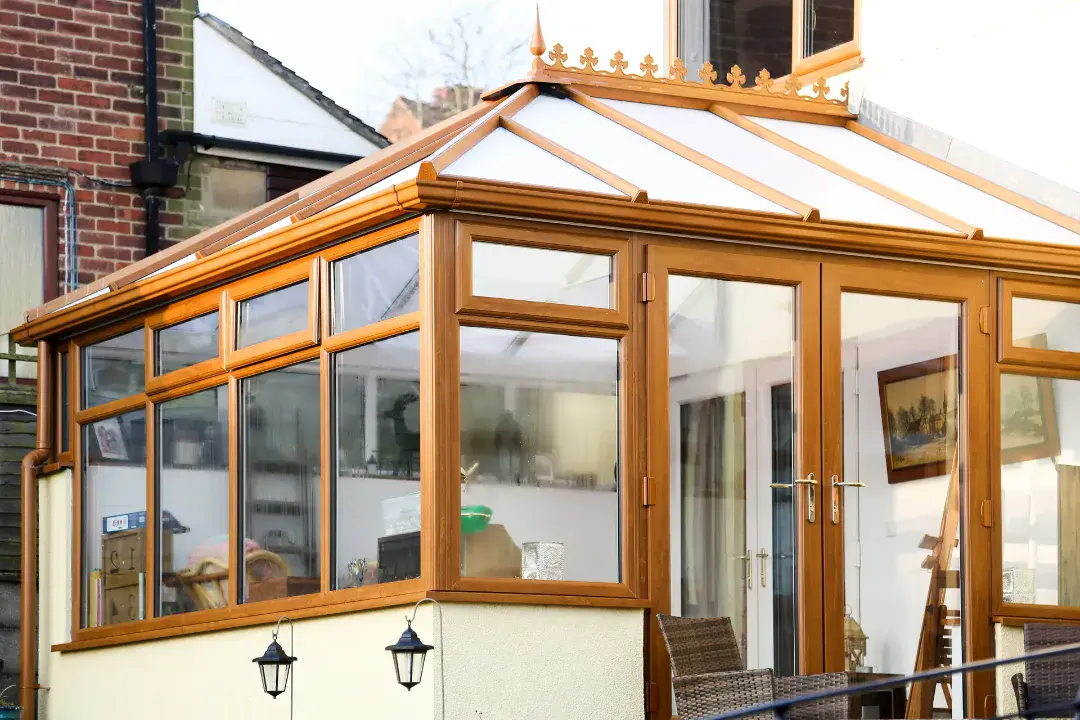
The core difference between an orangery and a conservatory comes down to how much glass versus solid structure makes up...
Read more
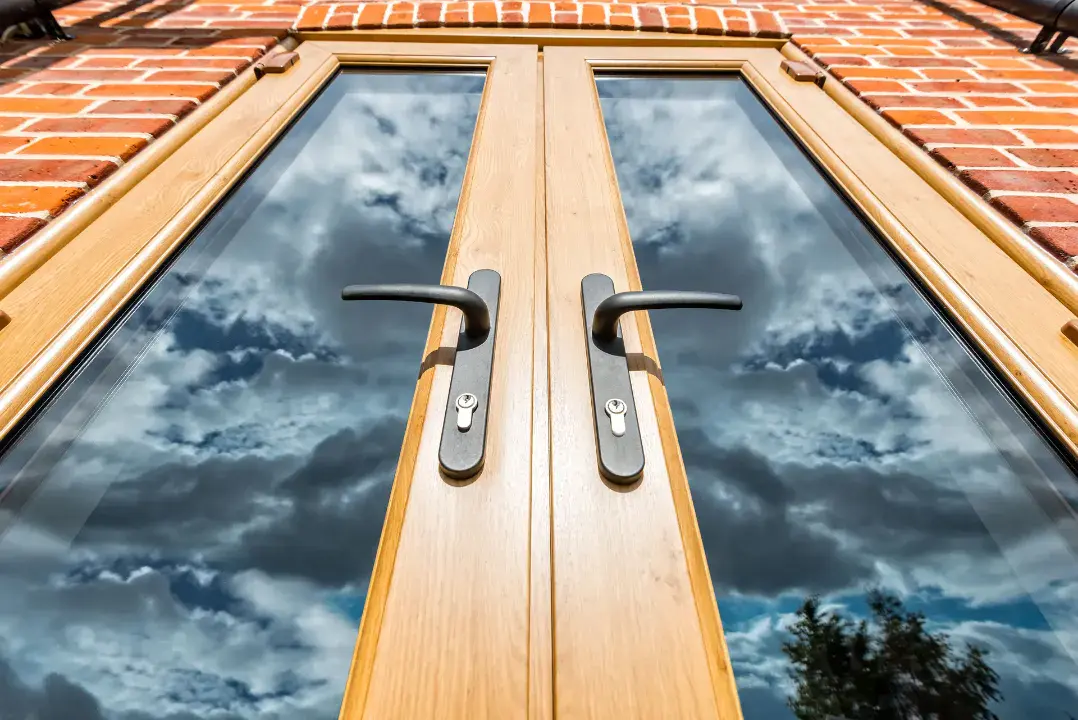
A multipoint locking system secures your door at three or more points along the frame simultaneously, rather than at a...
Read more
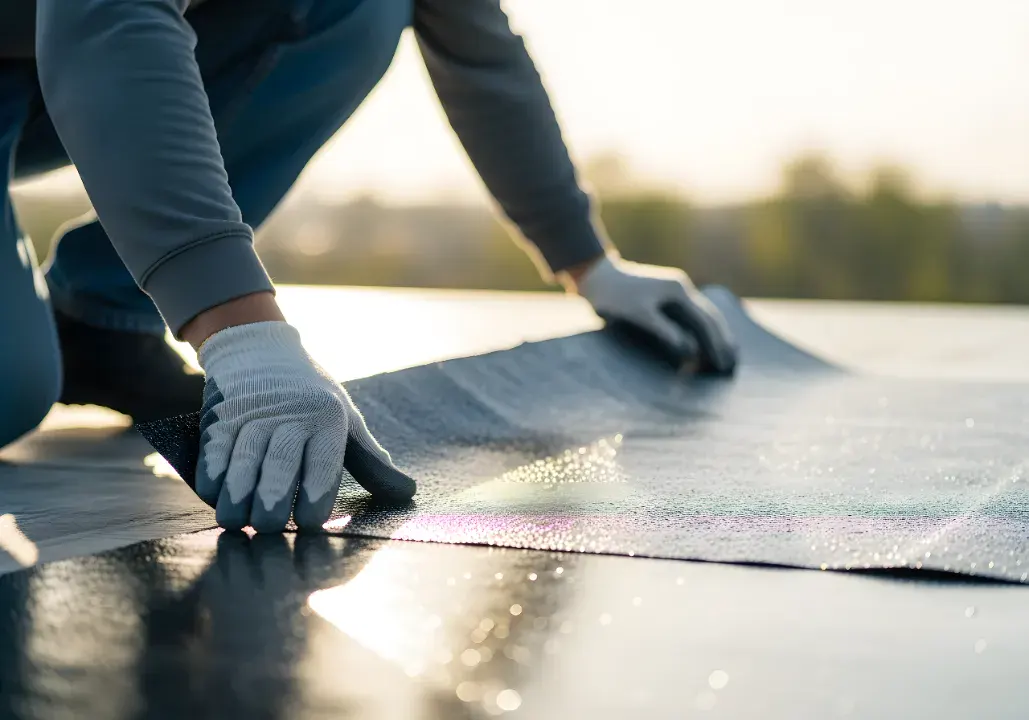
A well-installed EPDM rubber roof typically lasts over 50 years. That makes EPDM one of the longest-lasting flat roofing systems...
Read more
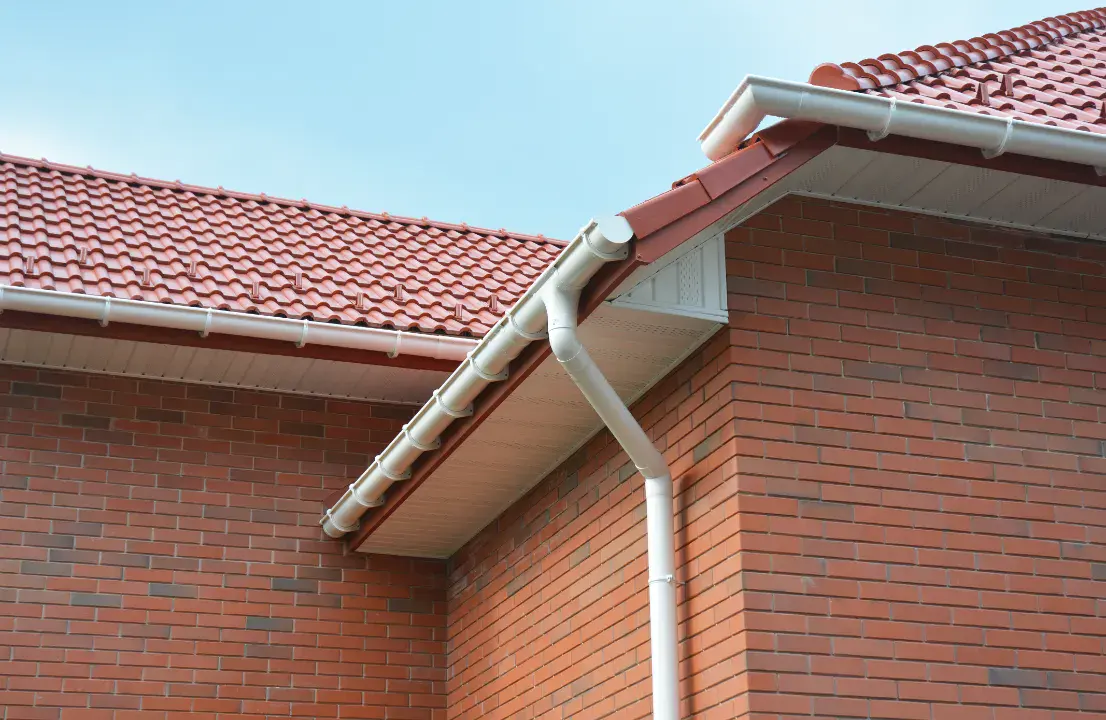
For most UK homes, uPVC is the best roofline material. It resists rot, handles heavy rain and heavy frost without...
Read more

Choosing a composite door comes down to five things: construction quality, security certification, thermal performance, colour and style, and the...
Read more
Hear what homeowners across the region say about working with us.
Installation was completed in a quick timeframe and very reasonably priced. Installers were efficient and didn’t ask for anything over the 2 days they were here. We had one issue...
Read morePenny Todd
Via Facebook
We had windows fitted nearly 10 years ago by Homeguard in that time only had one window handle fault which was promptly rectified by Home guard. Would recommend.
Read moreMargaret Turnham
Via Google
Had old porch canopy and supports replaced and a new chartwell green front door fitted. Very pleased overall service.
Read moreJoan Jones
Via GoogleVery professional service from point of sale to completion. Clean and tidy installation and great aftercare.
Read moreMark Olney
Via GoogleHad a back door installed and i am very impressed. The door is top quality and the fitters were very professional and a credit to the company . On time...
Read morePhilip Tomes
Via GoogleHad soffits, fascias and gutters done. Very pleased with the work and the builders were lovely. Having the 10 year warranty is very reassuring although the work seems very good...
Read moreEmily Graham
Via GoogleRecently got our windows and garden door fitted. Great service and good communication. Installation went really smooth. Highly recommend.
Read moreMichal S
Via GoogleHomeguard Ltd have replaced my guttering, soffits and fascias at the front of the house. I was very pleased with the results and consequently they came back to replace the...
Read moreMick McCullough
Via GoogleWe had our Soffits, Facias and Guttering replaced by Homeguard. Everything was very straightforward and we were very pleased with the outcome. Would recommend them.
Read moreGeoff Wallington
Via FacebookInstallation was completed in a quick timeframe and very reasonably priced. Installers were efficient and didn’t ask for anything over the 2 days they were here. We had one issue after installation and it was resolved quickly. Wouldn’t hesitate to use again.
We had windows fitted nearly 10 years ago by Homeguard in that time only had one window handle fault which was promptly rectified by Home guard. Would recommend.
Had old porch canopy and supports replaced and a new chartwell green front door fitted. Very pleased overall service.
Very professional service from point of sale to completion. Clean and tidy installation and great aftercare.
Had a back door installed and i am very impressed. The door is top quality and the fitters were very professional and a credit to the company . On time and cleaned up after themselves i would definitely recommend this company.
Had soffits, fascias and gutters done. Very pleased with the work and the builders were lovely. Having the 10 year warranty is very reassuring although the work seems very good quality so don’t have any reason to think we’ll need it!
Recently got our windows and garden door fitted. Great service and good communication. Installation went really smooth. Highly recommend.
Homeguard Ltd have replaced my guttering, soffits and fascias at the front of the house. I was very pleased with the results and consequently they came back to replace the bay windows from wooden to UPVC. The work carried out was first class, particularly the cleanliness of the working and lack of any mess.
We had our Soffits, Facias and Guttering replaced by Homeguard. Everything was very straightforward and we were very pleased with the outcome. Would recommend them.