What to Expect When Budgeting for New Windows
- 23 Mar 2026|
- General|
- Posted by homeguard_admin
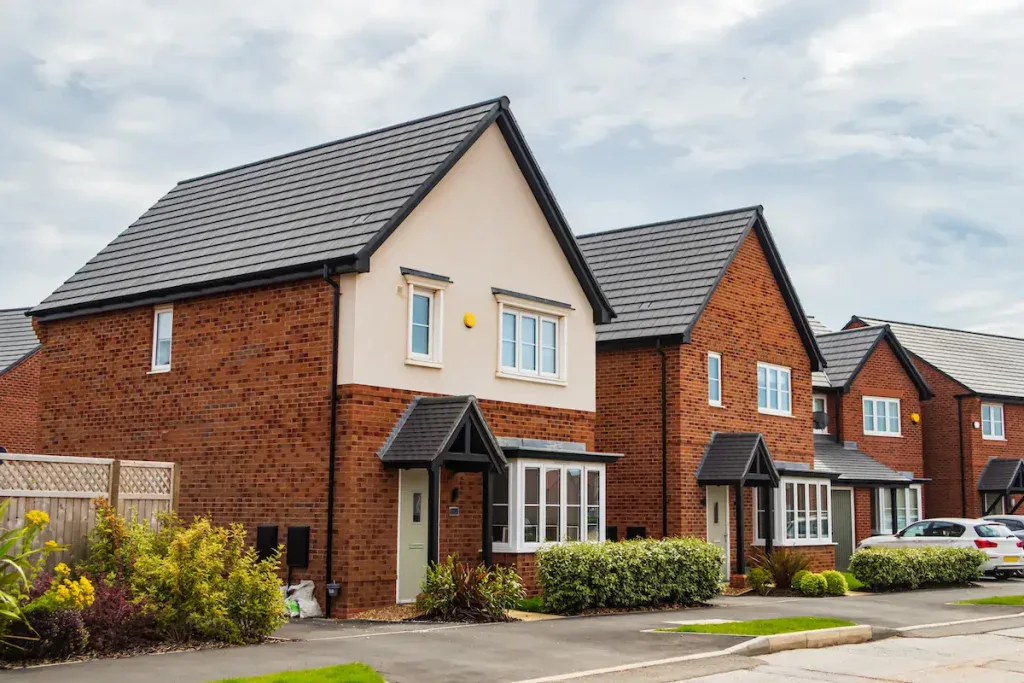
Upgrading your windows is one of the most effective ways to improve your home’s energy efficiency, security, and overall appearance. However, understanding the cost of installing new windows can feel overwhelming at the research stage. With so many materials, styles, and installation factors to consider, it’s not always clear what drives pricing or how to plan a realistic budget.
This guide breaks down what influences window costs in the UK, helping you make informed decisions without surprises along the way.
Why Window Costs Can Vary So Much
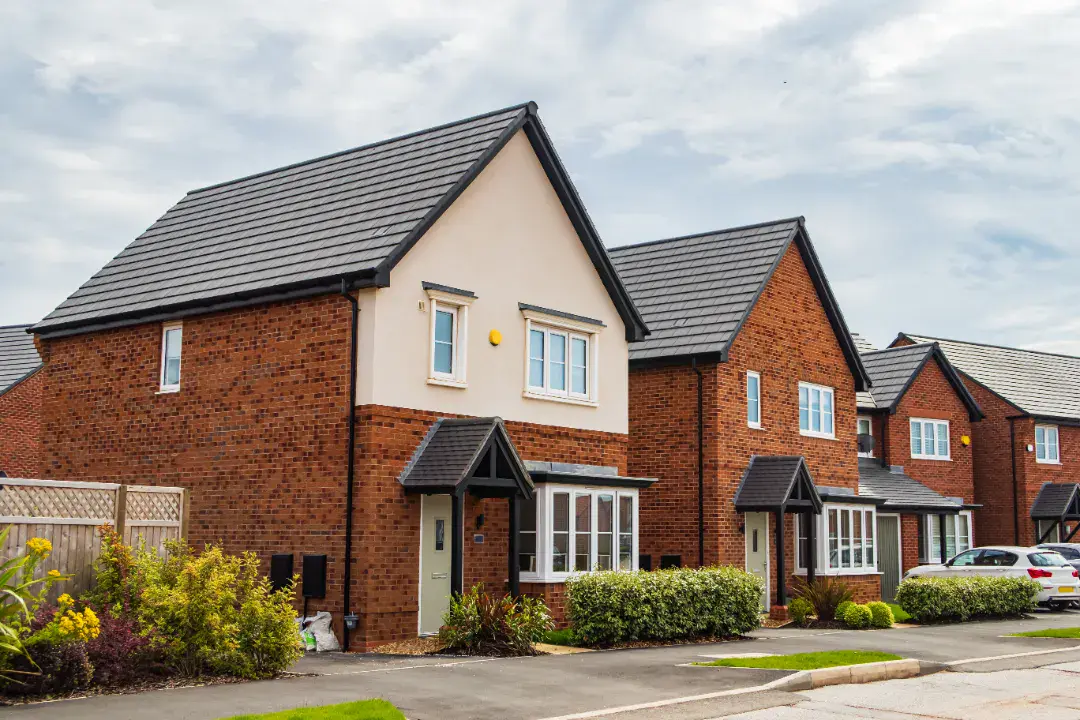
No two window projects are exactly the same. The cost of installing new windows depends on a combination of factors, including your property type, the number of windows, and the specifications you choose.
For example, replacing windows in a modern semi-detached home will typically involve fewer complications than upgrading original windows in a period property. Access, structural considerations, and compliance with building regulations can all influence the scope of the project.
Understanding these variables early helps you set expectations and avoid underestimating your budget.
Choosing the Right Frame Material
One of the biggest cost drivers is the material used for your window frames. Each option comes with its own benefits and price implications.
uPVC windows are often the most popular choice in the UK due to their durability, low maintenance, and affordability. They provide good thermal performance and are available in a range of finishes.
Aluminium windows offer a sleek, modern look with slim sightlines. They are strong and long-lasting, making them ideal for larger panes of glass. However, their premium aesthetic typically comes with a higher price point.
Timber windows are often chosen for their traditional appearance, especially in heritage properties. While visually appealing, they usually require more maintenance and can be more expensive due to craftsmanship and materials.
When budgeting, it’s important to balance aesthetics, performance, and long-term upkeep rather than focusing solely on initial cost.
Window Styles and Their Impact on Pricing
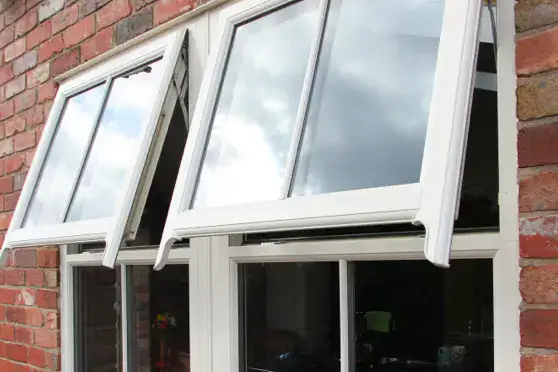
The style of window you choose will also affect the overall cost. Some designs are more complex to manufacture and install than others.
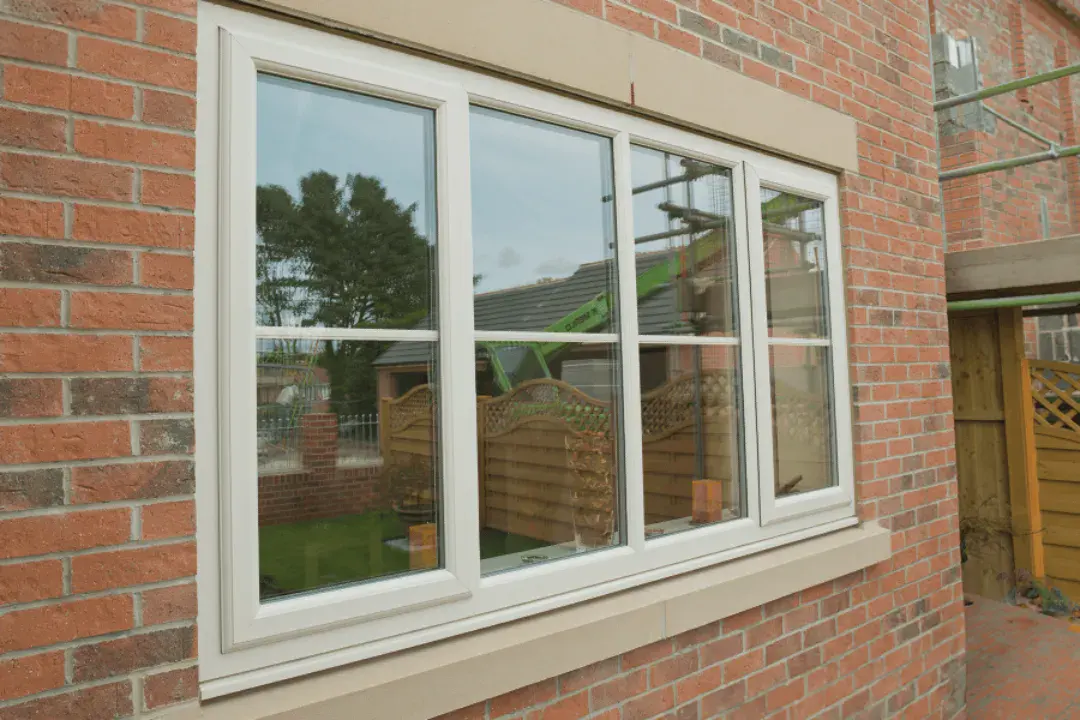
Casement windows are among the most common and tend to be more straightforward, making them a cost-effective option.
Sash windows, often found in older properties, involve more intricate mechanisms and detailing, which can increase both manufacturing and installation costs.
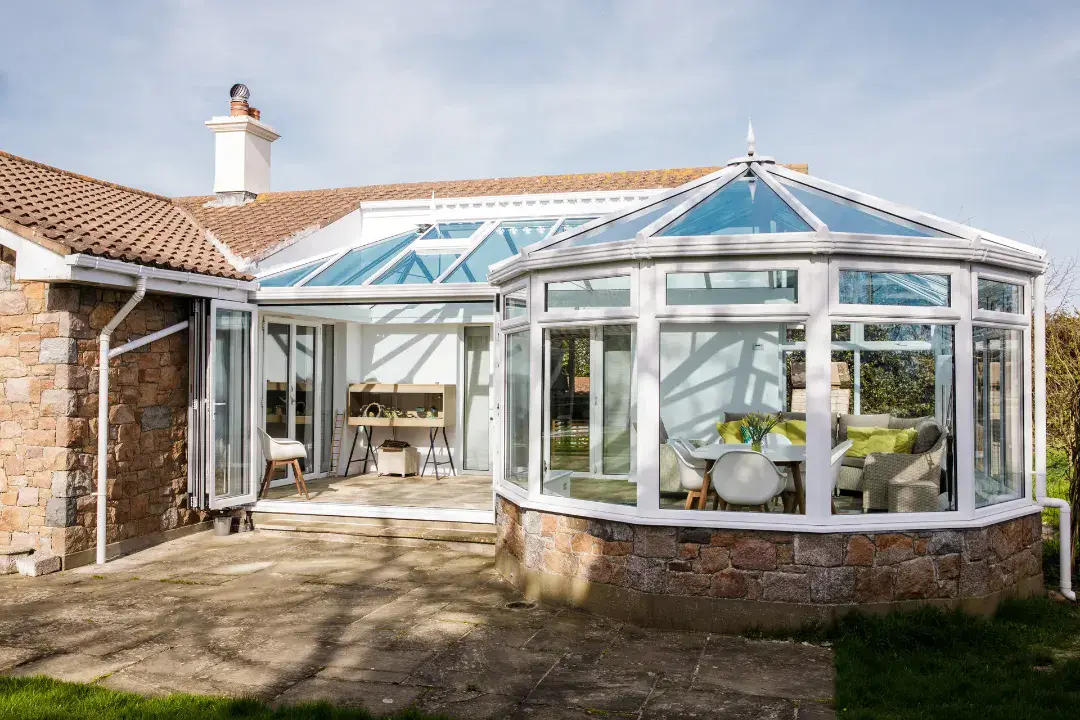
Bay and bow windows add space and character to a home but typically require more structural work, which can significantly influence the final price.
Tilt and turn windows offer versatility and modern functionality, but their advanced mechanisms may also contribute to higher costs.
Selecting a style that suits both your property, and your budget is key to managing the overall cost of installing new windows.
The Role of Glazing Options
Glazing is another crucial factor that directly impacts both price and performance.
Most modern windows come with double glazing as standard, providing a solid balance between insulation and affordability. However, some homeowners opt for triple glazing to maximise energy efficiency and reduce noise, particularly in busy or exposed areas.
There are also specialist glazing options available, such as:
- Acoustic glass for noise reduction
- Low-emissivity coatings for improved thermal performance
- Toughened or laminated glass for added security
While these upgrades can increase the upfront investment, they may deliver long-term savings through improved energy efficiency and comfort.
Property Size and Number of Windows
It may seem obvious, but the size of your home and the number of windows being replaced will significantly affect your budget.
A full-house window replacement will naturally cost more than upgrading a single room. However, there can sometimes be efficiencies when installing multiple windows at once, as labour and setup costs are spread across the project.
Larger windows or bespoke sizes may also increase costs due to additional materials and manufacturing requirements.
Installation Complexity and Labour
Installation is a major component of the cost of installing new windows, and it can vary depending on your property.
Straightforward replacements, where existing frames are removed and new ones fitted into the same openings, are typically more cost-effective.
However, complications can arise if:
- Openings need to be resized
- Structural support is required
- Access is limited (such as upper floors or tight spaces)
- Old windows contain materials that require careful removal
Working with experienced installers helps ensure the job is completed safely and efficiently, reducing the risk of unexpected costs later on.
Optional Upgrades and Extras
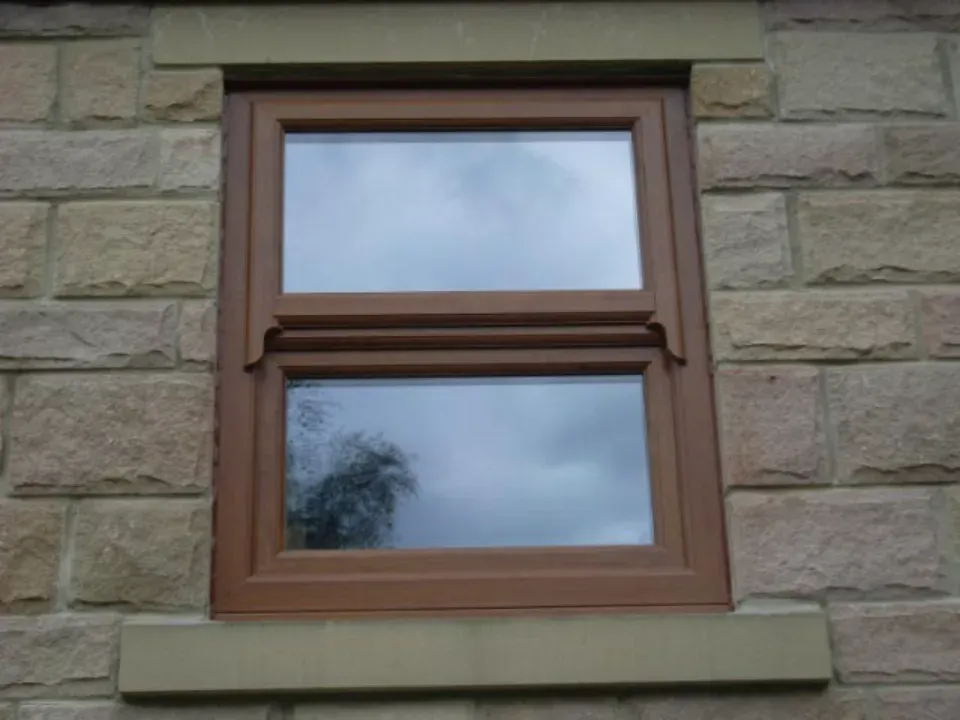
Many homeowners choose to enhance their new windows with additional features. While these upgrades can improve performance and appearance, they should be factored into your budget from the start.
Common optional extras include:
- Decorative finishes or coloured frames
- Integrated blinds
- Advanced locking systems
- Trickle vents for improved ventilation
- Custom hardware and handles
It’s easy for these extras to add up, so prioritising what matters most to you can help keep spending under control.
Warranties and Guarantees
A reliable warranty provides peace of mind and is an important part of your investment. Most reputable installers offer guarantees covering both the product and the installation.
While it might be tempting to choose the lowest quote, it’s important to consider what is included. A slightly higher upfront cost may offer better long-term value if it includes comprehensive coverage and high-quality materials.
Always check:
- Length of the warranty
- What is covered (frames, glazing, hardware, installation)
- Whether the guarantee is insurance-backed
Common Budgeting Pitfalls to Avoid
When planning your project, there are a few common mistakes that can lead to unexpected expenses:
Focusing only on upfront cost
Choosing the cheapest option may lead to higher maintenance or energy bills in the long run.
Overlooking installation challenges
Failing to account for potential structural or access issues can result in additional charges.
Not comparing quotes properly
Make sure you’re comparing like-for-like specifications, including materials, glazing, and warranties.
Forgetting about extras
Optional upgrades can quickly increase the overall cost if they’re not planned for in advance.
Planning Your Budget with Confidence
Understanding the cost of installing new windows starts with knowing what factors influence pricing. By considering frame materials, window styles, glazing options, and installation requirements, you can build a realistic budget that aligns with your needs.
Taking the time to research and ask the right questions ensures that you get the best value on your window upgrade project.
If you’d like to find out more about the potential costs of upgrading your windows, contact HomeGuard today. You can call us on 0800 193 80 06 or send us a message online and we’ll get back to you as quickly as possible.