Flat roof leaking? Causes, fixes and when to replace
- 9 Oct 2026|
- General|
- Posted by homeguard_admin
Spotted a drip or damp patch after heavy rain? A flat roof leaking into your home usually comes down to one of four things: ponding water, perished felt, failed flashing or a blocked outlet. The good news is that most leaks start small and are simple to put right when caught early. Below, we explain the common causes, how to find the source of the leak and when it’s time to replace.
Key takeaways
- Most leaks have one of four causes, often visible from an upstairs window
- Small leaks on a younger roof can be repaired
- Widespread wear on an older felt roof points to full replacement
- Early detection means a quicker, more affordable fix

The most common causes of a flat roof leaking
Ponding water
Flat roofs are laid with a slight fall so rainwater drains away. When that fall is lost, water collects in shallow pools. Over time, standing water can wear the roof membrane and work its way into weak spots in the roof system.
Perished felt
Standard mineral felt typically lasts 10 to 15 years. Over time, sun, frost and thermal expansion leave the roofing material brittle. Look for cracks, blisters, splits and lifting seams across the roof surface.
Flashing failures
Flashing seals the joins where your flat roof meets a wall, chimney or skylight. These edges move as temperatures change, so they’re a common weak point. If flashing cracks or lifts, rain can find its way into the roof assembly.
Blocked outlets and gutters
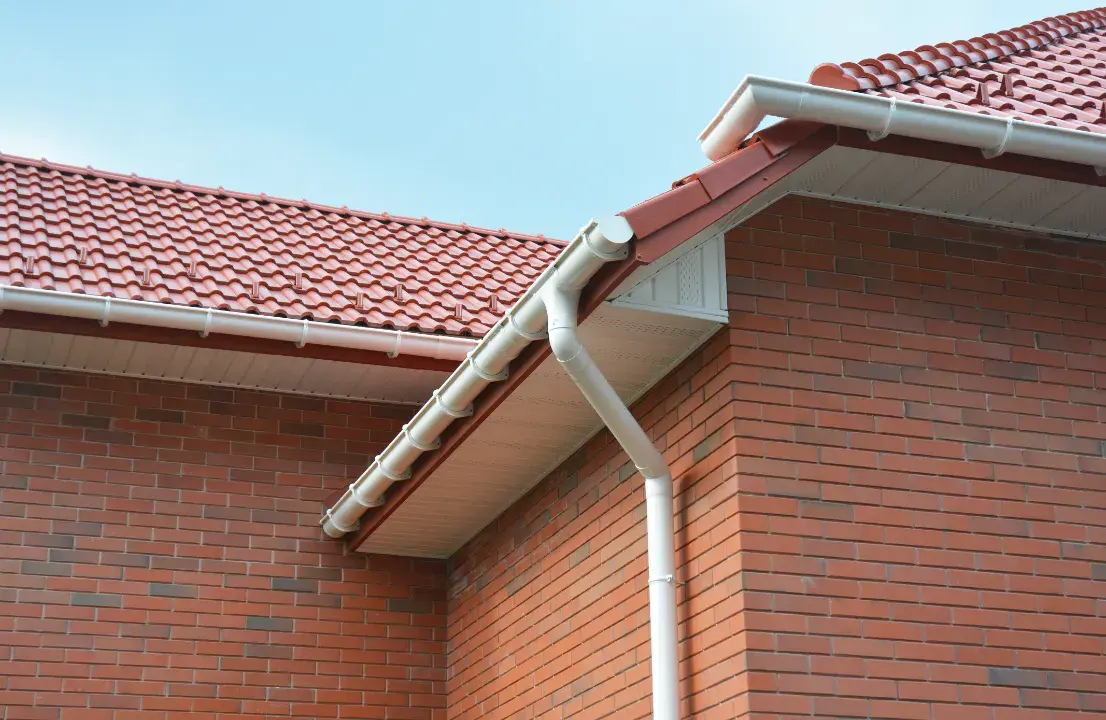
Leaves, moss and debris can clog outlets and guttering. When water can’t drain freely, it tends to pool on the roof or spill over the edge onto the walls below. Well-maintained roofline helps here: fascias support your guttering, which carries rainwater safely away.
How to find the source of a flat roof leak
A damp patch on your ceiling isn’t always right under the problem. Water often travels inside the roof before it drips through, so the leak itself may be a metre or two away. Flat roof leak detection starts with a few simple checks:
- Check inside. Note where water stains, damp patches or drips appear on ceilings and walls.
- Do a visual inspection. From an upstairs window or the garden, look for visible damage such as pooling water, debris, cracks or lifting edges.
- Check the edges. Pay close attention to flashing and where the roof meets walls.
- Clear what you can reach safely. Blocked gutters and outlets are often a quick win.
- Keep notes after rain. Timing and location clues are useful to share when you book a consultation.
Rather than climbing onto a flat roof yourself, please get in touch and leave it to our expert team. It’s the simplest way to stay safe and avoid unnecessary risk.

Can a leaking flat roof be repaired?
Yes. If your roof is under 15 years old and the damage is isolated, a timely repair to the affected area should stop the leak. Sealing a small split or lifted seam is much cheaper than replacing the whole roof membrane.
When is full replacement the better option?
Repair options work well for isolated damage, but they aren’t always the best value in the long run. Roof replacement is worth considering when:
- The roof is past 25 years old with widespread issues
- Felt is cracking or blistering across large areas
- There’s wet insulation or soft decking underneath
- Ponding is caused by the roof’s structure or improper installation
In these cases, a new roof is a more permanent solution than patching. EPDM roofing is a popular flat roofing choice. It’s a one-piece rubber membrane with no overlapping strips, so there are fewer weak points and less chance of future problems. It can also last 50+ years when installed properly. Read more in our guide to how long an EPDM roof lasts.
Why it’s worth sorting a leak early
Small leaks rarely resolve on their own, so acting promptly limits water damage. Your insulation stays dry, the roof structure stays sound and you avoid more extensive work later. Acting early also prevents damp patches, mould growth and stained ceilings.
Reassuringly, damp is fairly uncommon in owner-occupied homes. The latest English Housing Survey found just 4% in England had a damp problem in 2024, and staying on top of small leaks helps keep it that way.
A proactive approach to regular maintenance, with seasonal checks to clear debris and a quick look after stormy weather, helps you spot minor issues before they develop further.

Book a flat roof consultation with HomeGuard
Not sure what’s causing your roof leak? Our friendly, family-run team can visit for a free home consultation and give you honest advice on what your roof needs. With over 60 years of combined experience and TrustMark, FENSA and LABC accreditation, you can have peace of mind that your roof is in safe hands.
- Get a free, no-obligation quote
- Call us: 0800 193 80 06
Email: [email protected]