Orangery or conservatory? How to pick the right extension
- 3 Aug 2026|
- Conservatories|
- Posted by homeguard_admin
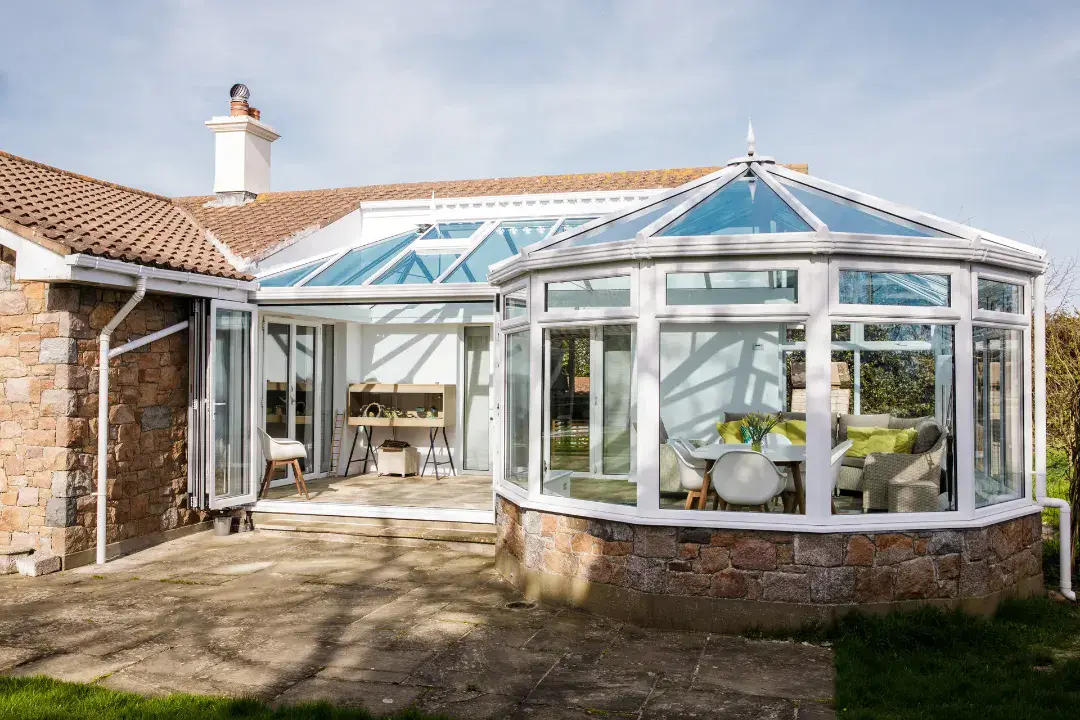
The core difference between an orangery and a conservatory comes down to how much glass versus solid structure makes up the build. A conservatory is predominantly glazed, with a glass or polycarbonate roof and glass-heavy walls. An orangery has substantial brick or rendered walls, a solid perimeter roof with a central glazed lantern, and a noticeably more room-like feel. If you want a bright garden room, a conservatory usually fits the bill. If you want something that works as genuine living space year-round, an orangery is worth the extra investment.
In this blog, we’ll help you to understand all you need to know about whether an orangery or a conservatory is best for you.
What is a conservatory?
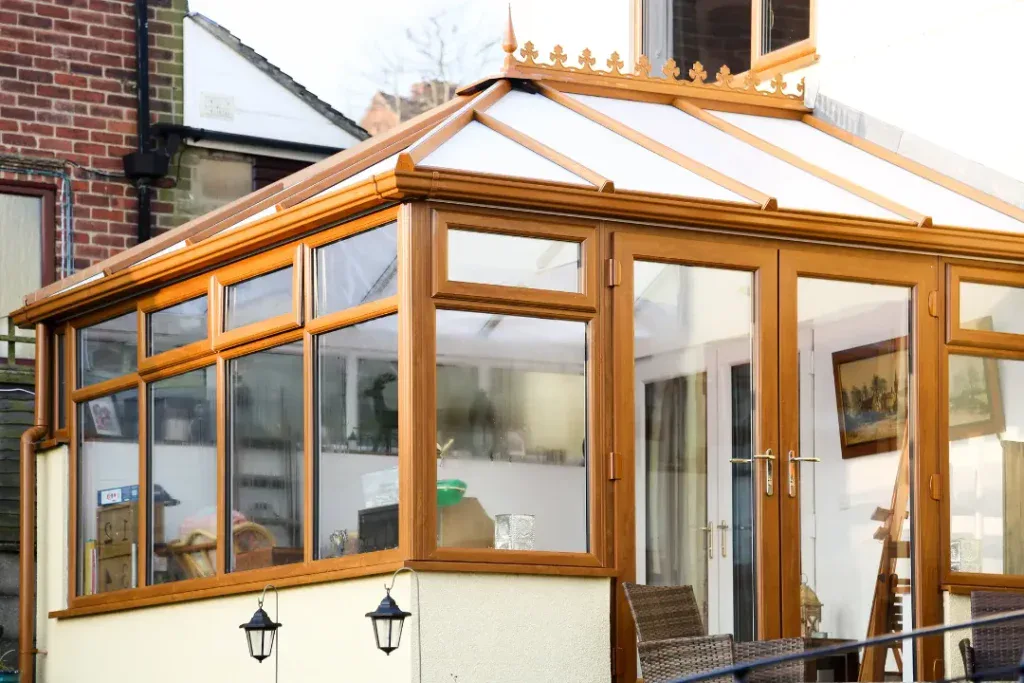
A conservatory is a glazed extension attached to the rear or side of a home. The defining feature is its roof, traditionally a fully glazed or polycarbonate structure, which lets in a large volume of natural light.
Because glass makes up the majority of the walls and roof, a conservatory blurs the boundary between your home and garden. Victorian and Edwardian styles are among the most popular in the UK, offering ornate ridge detailing or clean rectangular footprints respectively.
At HomeGuard, we supply a full range of conservatory styles, including lean-to, gable end and combination designs suited to different property types across Aylesbury and Buckinghamshire.
What is an orangery?
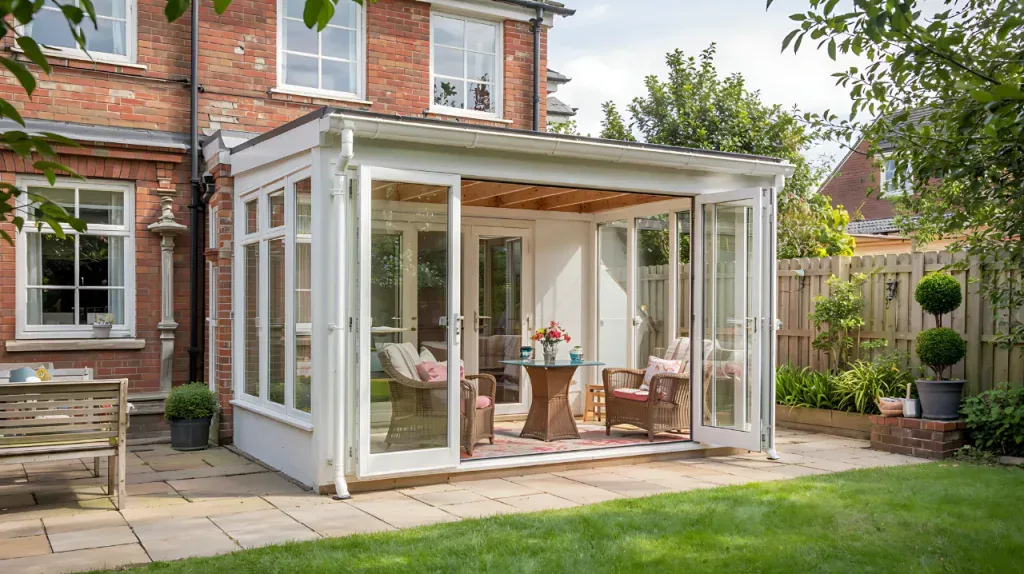
An orangery is a hybrid between a conservatory and a full brick extension. It was originally used by wealthy estates in the 17th and 18th centuries to house citrus trees through the British winter, hence the name.
Modern orangeries retain that architectural character, with solid brick or rendered pillars, a flat or low-pitch solid roof perimeter, and a central glazed lantern or roof light. The result is a space with more insulation, greater privacy and a sense of permanence that a largely glazed conservatory cannot match.
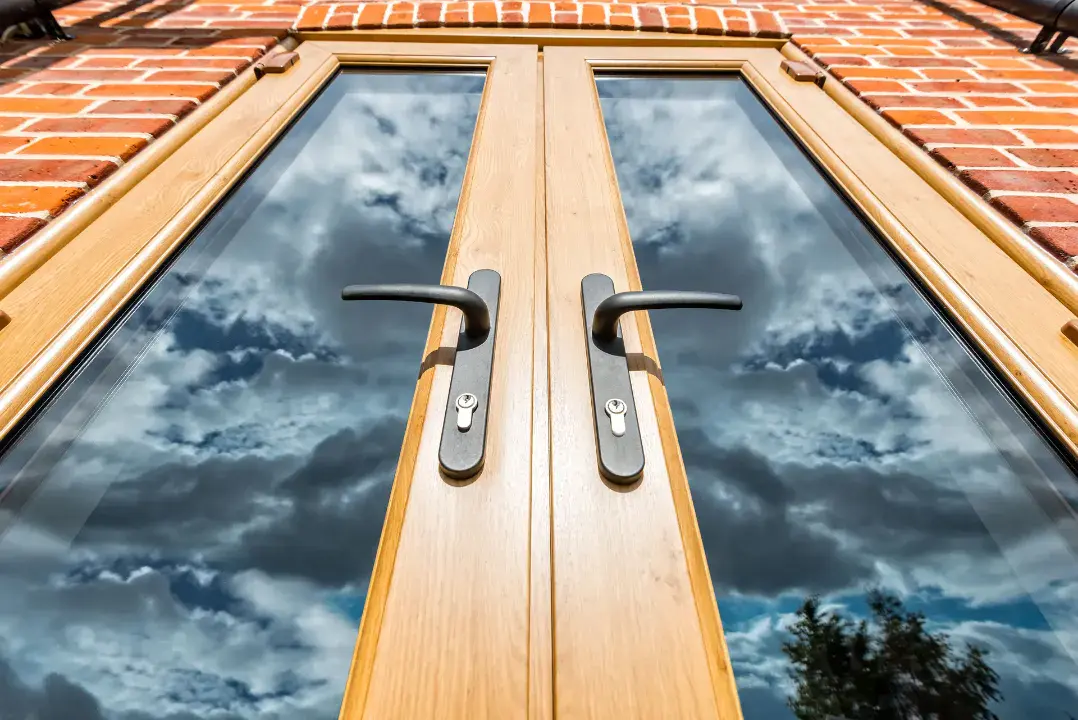
At HomeGuard, our bespoke orangeries are available with bifold doors, patio doors or French doors, and feature Liniar uPVC frames with the latest multi-point locking systems. Because a greater proportion of the structure is solid, orangeries hold heat far better than conservatories, reducing reliance on central heating during colder months.
What’s the main difference between a conservatory and an orangery?
The structural split is the clearest answer. Here is a direct comparison:
| Feature | Conservatory | Orangery |
| Roof type | Fully glazed or polycarbonate | Solid perimeter with central glazed lantern |
| Wall construction | Mainly glass with dwarf brick wall | Substantial brick or rendered pillars |
| Glazing ratio | 70–80% | 40–60% |
| Thermal performance | Moderate (better with A-rated glass) | High – more room-like insulation |
| Natural light | Abundant, diffuse | Good, focused through lantern |
| Year-round usability | Limited without additional heating | Strong – suitable as permanent room |
| Aesthetic | Light, airy, garden-facing | Architectural, structured, traditional |
| Cost (approximate) | £15,000–£30,000+ | £20,000–£45,000+ |
| Adds property value | Yes | Yes – often more than conservatories |
Costs are approximate and vary by size, specification and site conditions. Contact HomeGuard for an accurate quote.
Internal differences: how each space feels to live in
Step inside a conservatory and the feeling is immediate, natural light floods in from every direction. It works brilliantly as a relaxed garden room, a playroom or a casual dining spot in spring and summer. The challenge is temperature regulation. Without good quality glazing and ventilation, a conservatory can become uncomfortably warm in July and draughty in January.
An orangery feels more like a room that has been added to your home rather than a glass box attached to it. The solid walls absorb and retain heat. The lantern draws in daylight without the greenhouse effect of a fully glazed roof. Many homeowners in Buckinghamshire use their orangeries as permanent dining rooms, home offices or garden-facing sitting rooms that are genuinely comfortable in December and June alike.
Roofing: the detail that defines them
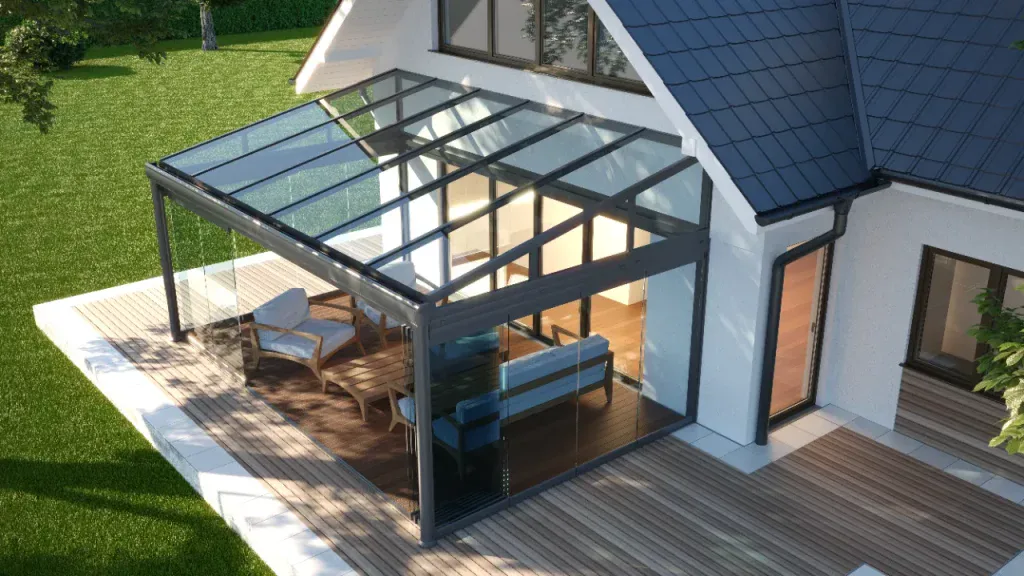
The roof is where the difference between an orangery and a conservatory is most visible. Conservatory roofs are typically pitched glass or polycarbonate, sometimes upgraded to a solid tiled roof, which, at that point, starts to resemble an orangery anyway.
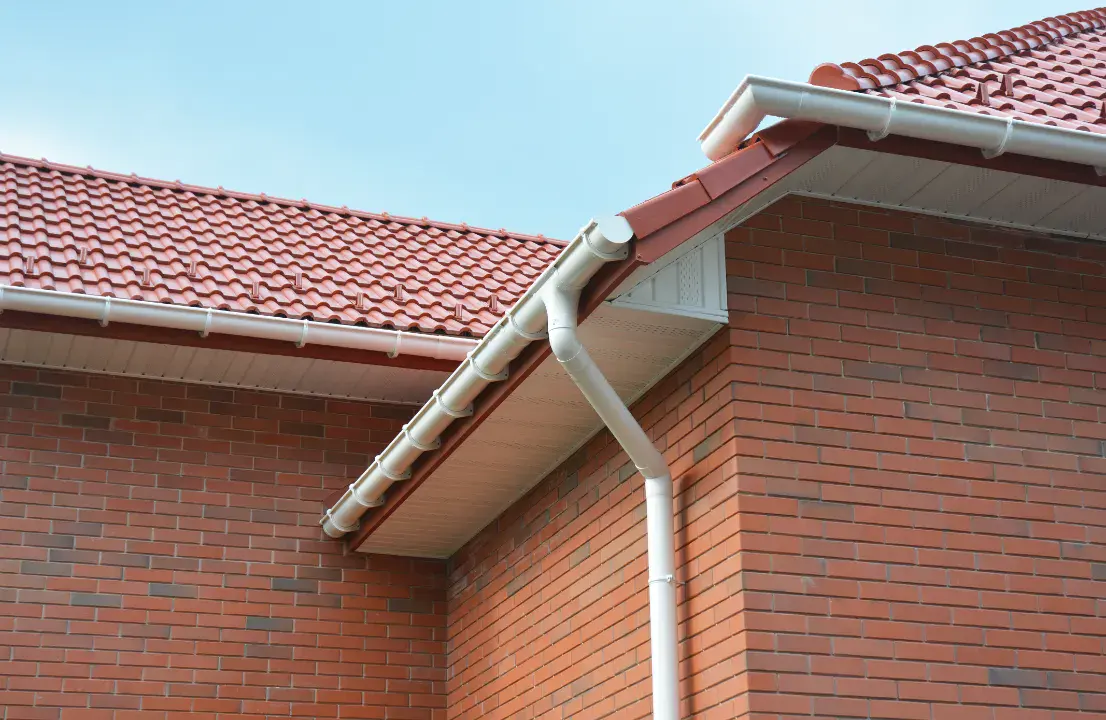
An orangery roof has a flat or box-gutter perimeter made from the same material as the walls, brick, render or stone, with a glazed lantern sitting at the centre. This combination does two things: it insulates the outer edge of the roof (where heat loss is greatest) while still allowing natural light deep into the room.
If thermal performance is a priority, the orangery roof design has a clear advantage. It also means fewer maintenance concerns around glazing seals and condensation on the roof surface.
Planning permission: what you need to know
Most conservatories and orangeries in England fall under permitted development rights, meaning you will not need full planning permission provided the build meets standard size and siting rules.
The key thresholds under current permitted development guidance (Planning Portal) are:
- The extension must not cover more than half the area of land around the original house
- Single-storey rear extensions must not extend beyond the rear wall by more than 4m (detached) or 3m (semi or terraced)
- Maximum eaves height of 3m within 2m of a boundary
- The extension must not be forward of the principal elevation
Orangeries, because they use more solid construction, are sometimes assessed differently to conservatories. The formal conservatory exemption applies when the structure is separated from the main house by external-quality walls, doors and windows, a condition orangeries may not always meet if they are heavily integrated into the property.
If you live in a conservation area, in a listed building or on an Article 4 direction site, permitted development rights may be restricted. HomeGuard advises all customers to confirm planning requirements with the local authority before work begins.
Which extension is right for your home?
Choose a conservatory if:
- Your main goal is extra light and a relaxed garden-room feel
- Budget is a primary consideration
- You want a space that is primarily used in spring and summer
- Your property suits a predominantly glazed addition aesthetically
Choose an orangery if:
- You want the space to function as a permanent room year-round
- The extension will be used as a dining room, home office or additional living area
- You prefer a more traditional or architectural appearance
- You want an addition that reads as an integral part of the house
For many homeowners, the decision comes down to how the space will actually be used day to day. A bright garden room is perfect for some, for others, only a fully usable, thermally comfortable room will do.
At HomeGuard, we have been designing and installing conservatories and orangeries across Aylesbury, High Wycombe and the wider Buckinghamshire area since 2014. With over 60 years of combined experience, the team can guide you through every decision, from style and materials to planning requirements and glazing specification.
Arrange a free consultation with HomeGuard today and find out which extension is the right fit for your home.