Multipoint locking systems explained: How they work (and why they matter for doors)
- 10 Jul 2026|
- Doors|
- Posted by homeguard_admin
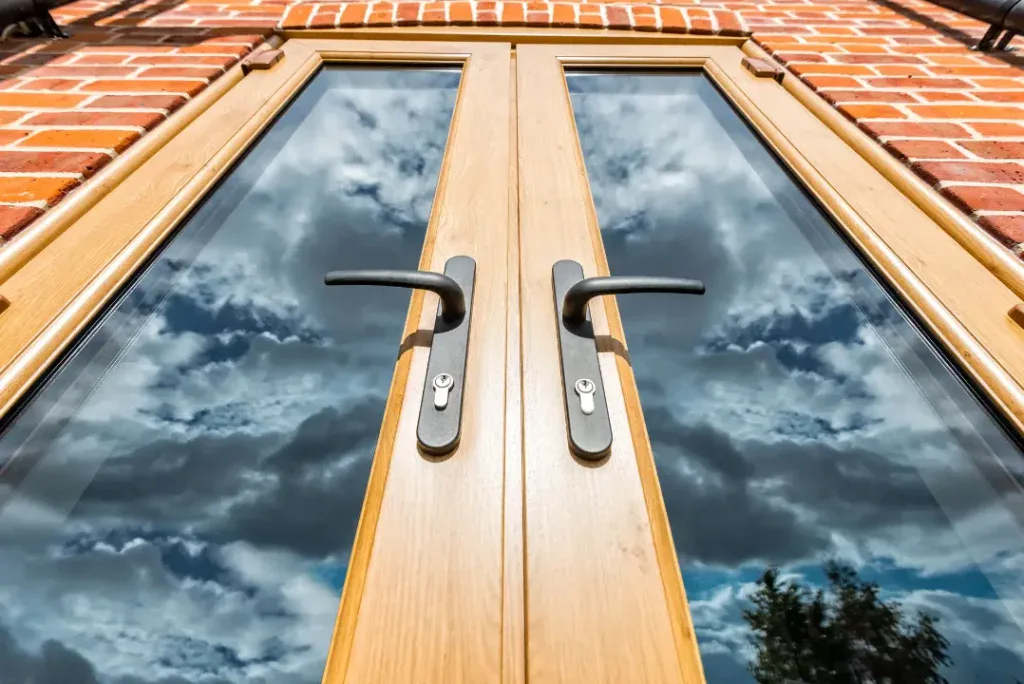
A multipoint locking system secures your door at three or more points along the frame simultaneously, rather than at a single central bolt. When you lift the handle and turn the key, hooks, bolts and rollers engage the frame from top to bottom in one action. The result is a door that resists being forced, levered or prised open far more effectively than a standard single-point lock.
If you’re reviewing a door quote and wondering whether multipoint locking is worth the spec, the short answer is yes. Here’s what you need to know.
How does a multipoint locking system work?
The system is built around a gearbox housed inside the door, sitting between the handles. When you lift the handle, the gearbox drives locking points along the full height of the door into strike plates embedded in the frame. Turning the key then deadlocks them in position.
Most composite and uPVC doors use this operation sequence:
- Close the door – the latch engages automatically on contact
- Lift the handle – hook bolts and rollers project into the frame at the top, centre and bottom
- Turn the key – all points deadlock simultaneously
The locking points themselves matter. Hook-shaped bolts replaced older roller-and-bolt combinations because hooks grip the keep plate in both directions, making it far harder to prise the door away from the frame. If your door still uses only rollers and a single bolt without hooks, an upgrade is worth considering.
3-point vs 5-point locking: what’s the difference?
| Feature | 3-point system | 5-point system |
| Locking points | Top, centre, bottom | Top, upper-mid, centre, lower-mid, bottom |
| Door coverage | Full height | Full height, closer spacing |
| Typical use | Standard composite and uPVC doors | Larger, heavier or premium doors |
| Forced entry resistance | High | Higher |
| Frame pressure | Even across 3 points | More evenly distributed |
A 3-point system is the standard for most composite doors and gives strong protection for a typical front or back door. A 5-point system reduces the gap between locking points further, which becomes more relevant on taller doors where greater wind pressure and natural flex put more stress on the frame over time.
Both systems are a substantial step up from a single deadbolt, which leaves the top and bottom of the door with no fixed connection to the frame at all.
Why multipoint locks matter beyond security
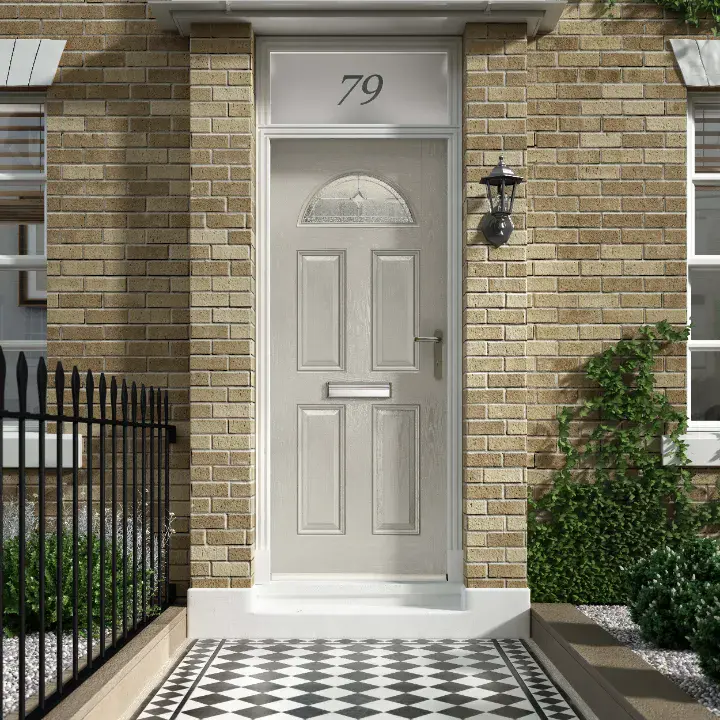
The security benefit is the headline, but these systems do more than deter intruders.
Weather sealing
With the door pulled firmly into the frame at multiple points, the compression between door and seal is consistent across the full height. This reduces draughts, limits heat loss and keeps out driving rain more effectively than a door held only at one central point. Our composite doors use patented technology to combine this tight seal with energy efficiency.
Door stability
A door locked at the top, centre and bottom stays square in the frame. Without this, heavier doors can sag at the corners over time, putting stress on hinges and making the door harder to operate.
Insurance recognition
Some home insurance providers specify multipoint locking on external doors as a condition of cover. Confirming your door meets this requirement before you buy avoids complications with any future claim.
What about the cylinder?
The lock cylinder is the weak point most people overlook. A multipoint system is only as secure as the cylinder fitted to it. Anti-snap cylinders are the standard to look for. These are designed to break at a sacrificial point away from the locking cam if an attacker tries to snap the barrel, leaving the lock mechanism intact.
FAQ: Multipoint locking systems
Are multipoint locks standard on composite doors?
Yes. Composite doors from reputable manufacturers come with multipoint locking as standard. At HomeGuard, every door in our composite door range includes a robust multipoint locking system.
Can multipoint locks be fitted to any door?
Multipoint locking mechanisms are most suited to composite and uPVC doors, though they can also be installed on timber and patio doors. Retrofitting requires precise measurements including gearbox backset, spindle centres and locking point distances. For new doors, factory-fitted systems are preferable as they protect the door’s warranty and guarantee accurate alignment.
What happens if the gearbox fails?
The gearbox contains many small moving parts and if one component fails, the whole unit typically needs replacing rather than partial repair. The most common cause of failure is door misalignment, which puts excessive strain on the mechanism. Regular lubrication and an annual check that the door sits correctly in the frame will extend the life of the gearbox considerably.
If you need advice on a door that feels stiff or difficult to lock, contact our team online or call us on 0800 193 80 06.